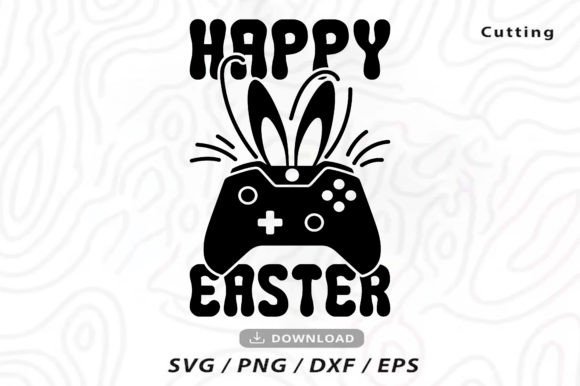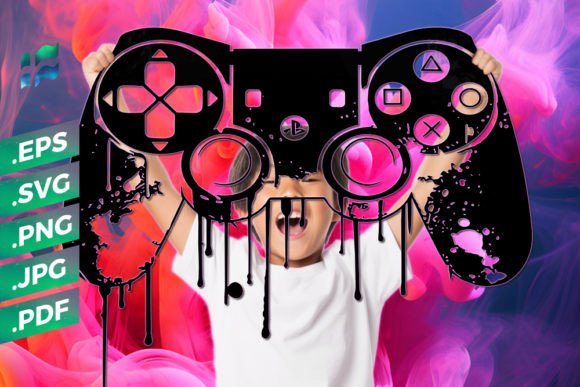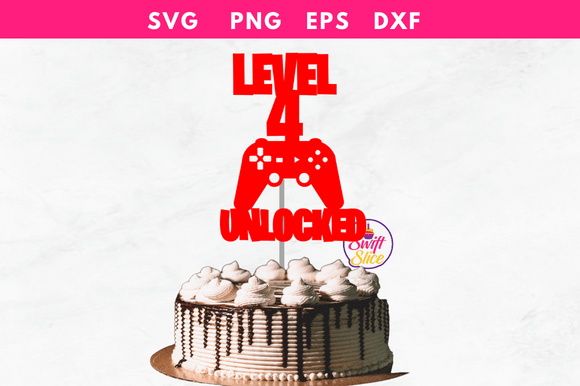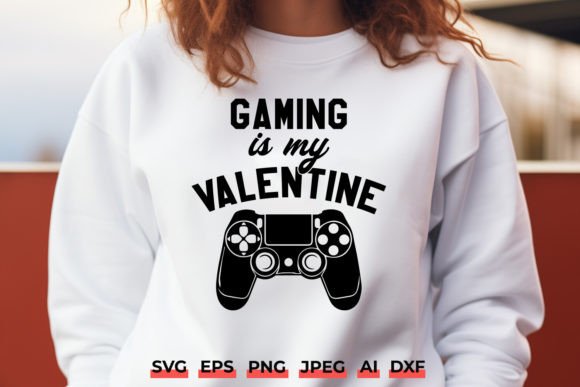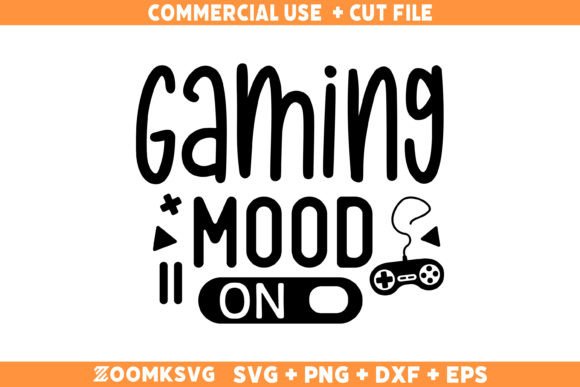
Gaming Mood on: Graphics for Crafts & Branding
As a designer who spends most of my week juggling brand identities for small businesses and creating marketing visuals for e-commerce launches, I am always skeptical of new assets until I see how they perform in a real-world scenario. Recently, I was tasked with developing a visual concept for a client launching a boutique line of gaming-inspired lifestyle products. They needed something that felt energetic but not chaotic, modern yet accessible for a handmade business audience. That is when I pulled Gaming Mood on from my library to see if it could carry the weight of a professional commercial design project.
My first impression of this graphic design asset was immediate. It carries a distinct vibe that bridges the gap between high-energy digital culture and tangible product appeal. The visual elements feel curated rather than random, offering a style that represents the intersection of playfulness and polish. For a client looking to break into the crowded market of gaming merchandise, this asset provides a solid foundation. It does not scream "generic clipart"; instead, it suggests a thoughtful creative design approach that can be adapted for various mediums.
Adapting the Aesthetic for Diverse Client Deliverables
In the context of our specific client project, the versatility of Gaming Mood on became its strongest selling point. We were not just designing a logo; we were building an entire ecosystem of touchpoints. I tested the asset across several key areas to determine its viability.
For t-shirt design and coffee mug design, the graphics held up remarkably well. When placed on a product mockup, the lines remained crisp, and the composition worked naturally on curved surfaces like custom tumblers and straight planes like tote bags. This is crucial for print-on-demand sellers who need their designs to look professional on everything from pillows to bags without requiring extensive vector reconstruction.
Beyond physical goods, I explored its potential for digital presence. The asset translated beautifully into social media graphics for Instagram and Pinterest pins. Because the mood is so distinct, it helped create a cohesive look for the client's editorial design pieces and blog visuals. We even used elements of it to create a custom Canva template for the client to use for future announcements, ensuring their brand identity remained consistent even when they were creating content themselves.
For those running a Cricut project or working with vinyl cutters, the clarity of the shapes suggests that this would function excellently as an SVG design or sticker design. The separation of elements allows for easy layering, which is essential when creating complex decals for laptops or water bottles.
Strategic Placement and Visual Hierarchy
Understanding where Gaming Mood on works best is key to using it effectively. In my review, I found it shines in large layout areas where it can act as a hero graphic. It commands attention on packaging design, specifically on the front face of a box or as a central motif on a poster. It is perfect for themed collections where you want to establish a strong emotional appeal immediately.
However, a professional designer must also know where to exercise caution. I would advise against using these graphics in very small sizes, such as fine print on a legal disclaimer or a tiny favicon, as the details might get lost. It is also not ideal for crowded layouts where there is already too much text or competing imagery. If your project requires a strictly minimalist branding approach or a very clean visual hierarchy typical of corporate finance materials, this asset might be too expressive. It thrives in environments that allow for creativity and color, rather than rigid, low-contrast designs.
Impact on Brand Perception and Readability
The ultimate test for any digital product or design bundle is how it affects the final output's professionalism. Does it build visual trust? In this case, yes. When applied correctly, Gaming Mood on enhances audience engagement by signaling that the brand understands its niche. It adds a layer of personality that generic stock photos often lack.
Regarding readability, the asset works best when paired with complementary typography. I experimented by placing it alongside a bold sans serif font for a modern look and a handwritten font for a more approachable, handmade business feel. The graphics do not overpower the text if given enough breathing room. They support the brand story rather than distracting from it, which is vital for maintaining recognition across different platforms.
Practical Designer Notes for Commercial Use
Before handing over final files to a client or listing an Etsy product based on this asset, there are several technical checks every designer should perform. Here is my workflow for validating Gaming Mood on:
- Test in Black and White: Always preview the design in grayscale to ensure the contrast holds up without relying on color psychology.
- Check Background Contrast: Verify how the graphics look on both light and dark backgrounds to ensure visibility across different product colors.
- Scale Testing: Preview the asset at both very small and very large sizes to check for pixelation or loss of detail.
- Mockup Validation: Place the design on real product mockups, not just flat screens, to see how it interacts with shadows and textures.
- Print Quality: If possible, run a test print to check ink coverage and sharpness, especially for sublimation design projects.
- File Format Inspection: Review the included formats. If you are doing web design, ensure you have optimized PNGs with transparency. For cutting machines, confirm the SVG or vector editability.
- Typography Pairing: Compare the graphics against serif, sans serif, script, and display fonts to find the perfect match for your specific campaign.
- Licensing Verification: Most importantly, confirm the commercial license terms. Ensure you are cleared to use the asset for client work, print-on-demand sales, or mass production.
In conclusion, Gaming Mood on is a robust tool for designers looking to inject energy into their projects. Whether you are crafting a packaging design for a new snack line, creating marketing visuals for a tech startup, or building a printable design collection for a creative marketplace, this asset offers the flexibility needed for modern design. It bridges the gap between fun and functional, making it a valuable addition to any designer's toolkit for crafts and graphics.