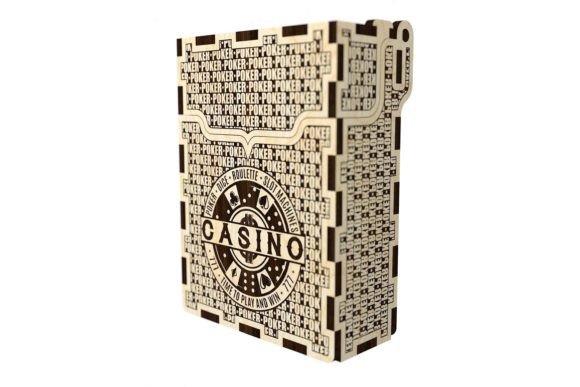
Game Card Box Laser Cut: Precision for Boxes
As a digital product creator who has spent years navigating the complexities of Etsy, Creative Fabrica, and various print-on-demand platforms, I approach every new graphic design asset with a critical eye. It is not enough for a file to look good on a screen; it must translate into a tangible, sellable digital product that solves a problem for the end user. Recently, I evaluated the Game Card Box Laser Cut file to determine its viability for my upcoming seasonal collection. This review breaks down the practical application, commercial potential, and technical nuances of this specific asset for small business owners and creative entrepreneurs.
First Impressions and Niche Appeal
Upon opening the files, the immediate impression is one of functional precision. Unlike decorative clipart or illustrative PNG designs meant for sublimation, this asset serves a structural purpose. The mood is utilitarian yet inviting, appealing directly to the booming tabletop gaming community. There is a distinct "handmade business" feel to the concept of creating custom storage solutions, which resonates deeply with buyers looking for premium, personalized items rather than mass-produced plastic containers.
The visual personality here is defined by clean lines and geometric accuracy. It feels modern and minimal, focusing entirely on the utility of protecting gaming cards. For sellers, this translates to a product that attracts a specific, high-intent audience: board game enthusiasts, RPG players, and crafters who value organization. It lacks the whimsical nature of nursery prints or the boldness of t-shirt graphics, but it makes up for it with a strong promise of durability and custom fit.
Real-World Product Applications
Integrating the Game Card Box Laser Cut into a diverse product lineup requires thinking beyond the cut file itself. While the core offering is a Laser Cutting template for Boxes, the surrounding marketing materials offer endless opportunities for SVG designs, product mockups, and social media graphics.
Consider the following real-case scenarios for an online shop:
- Physical Merchandise: The primary use is creating physical boxes from 3mm, 4mm, or 1/8 inch plywood and MDF. These can be sold as finished goods on Etsy or at local craft fairs, targeting gamers who need protection for their 2.5 by 3.5-inch cards.
- Digital Downloads: Sell the DXF file itself as a commercial design for other makers who own laser cutters. This fits perfectly into a design bundle aimed at hobbyists.
- Marketing Visuals: Use the rendered box in product mockups to sell unrelated digital assets. For instance, place your Canva template previews or planner stickers inside the box in a photo to demonstrate scale and lifestyle usage.
- Brand Identity: Incorporate the silhouette of the box into your brand identity logos or watermarks to signal specialization in gaming accessories.
- Instructional Content: Create a blog post or video tutorial showing how to assemble the box, using the asset as the central prop to drive traffic to your creative marketplace listings.
Enhancing Product Presentation
In the crowded world of digital downloads, thumbnail appeal is everything. The Game Card Box Laser Cut offers a unique opportunity to improve visual hierarchy in your shop. When used in listing images, the crisp edges of the laser-cut wood convey a sense of quality and perceived value that flat graphics often lack.
By showcasing the assembled box, you build customer trust. It proves that the file works and results in a professional-looking final product. This is crucial for Etsy products where buyers cannot physically touch the item before purchasing. Furthermore, using consistent imagery of these boxes across your store creates brand consistency, making your shop look like a specialized authority in gaming organization rather than a generalist seller.
Ideal Use Cases and Strategic Placement
This asset shines when used for large product previews and themed bundles. It is particularly effective for:
- Themed Collections: Pairing the box file with printable design inserts, such as card dividers or score sheets, to create a comprehensive gaming kit.
- Merchandise Graphics: Using the box shape as a frame for sublimation design ideas, even if the final product is a printed graphic on a different medium.
- Social Media Promos: Creating short videos of the assembly process, which tend to have high engagement rates on platforms like Instagram and TikTok.
- Packaging Design: Inspiring customers to use the box as packaging for their own handmade goods, adding a layer of unboxing excitement.
Areas Requiring Caution
Despite its utility, the Game Card Box Laser Cut is not a one-size-fits-all solution. Sellers must exercise caution in specific areas. First, avoid using the intricate joint details in tiny sticker designs or low-resolution print products where the fine lines may blur or disappear. The precision of Laser Cutting does not always translate well to inkjet printing on standard paper.
Additionally, be wary of placing the design on dark backgrounds without proper contrast adjustments. The natural wood tone implied by the file needs a light or neutral backdrop to pop in crowded thumbnails. If you are adapting this for Cricut projects using vinyl, ensure the complexity of the joints does not overwhelm the weeding process; sometimes, simplifying the design for vinyl users is necessary. Finally, avoid text-heavy templates overlaid directly on the box texture, as this can disrupt the visual storytelling and make the listing look cluttered.
Practical Notes for Sellers
Before publishing any listing featuring the Game Card Box Laser Cut, rigorous testing is essential. Here is a checklist for professional results:
- Mockup Testing: Render the design on real-world mockups to see how light interacts with the simulated wood grain.
- Background Checks: Preview the asset on both white and dark backgrounds to ensure versatility for different social media graphics.
- File Verification: If selling the DXF, open it in multiple software programs to confirm compatibility and check for open paths that could ruin a cut.
- Typography Pairing: Experiment with pairing the industrial look of the box with a clean sans serif font for instructions, or a rugged display font for titles. A handwritten font can add a personal touch to thank-you cards included in the physical box.
- Licensing Confirmation: Always verify the commercial license terms. Ensure you are allowed to sell the finished physical boxes as well as the digital files derived from this asset.
- Material Specs: Clearly communicate to your customers that this design is optimized for 3mm, 4mm, and 1/8 inch materials, preventing frustration with ill-fitting parts.
In conclusion, the Game Card Box Laser Cut is a robust design asset for those targeting the gaming niche. It bridges the gap between digital convenience and physical craftsmanship. By understanding its strengths in packaging design and its limitations in low-res applications, sellers can leverage this file to create a cohesive, high-value product line that stands out in the competitive landscape of small business branding.